


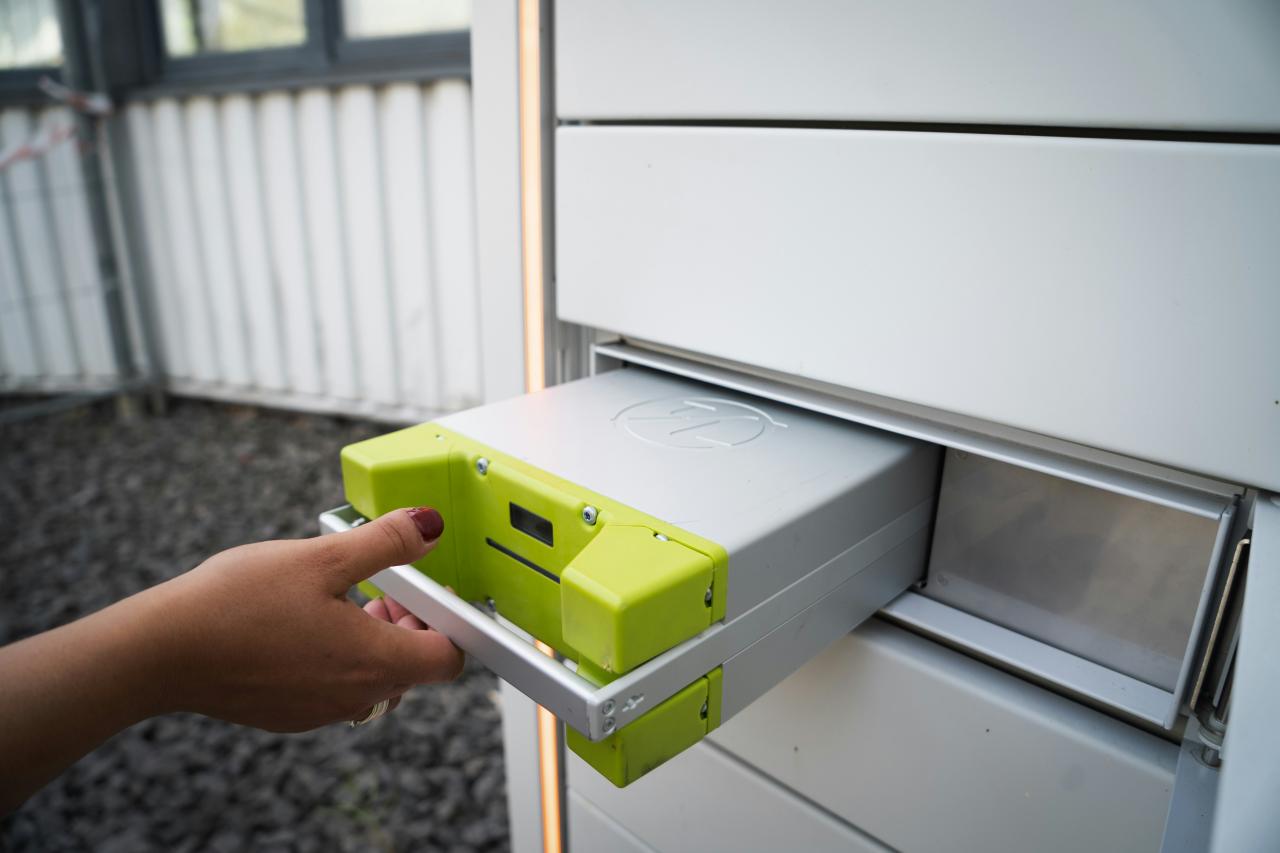
The shift toward residential energy independence has fundamentally altered how modern households manage their electricity consumption and utility interaction. By integrating advanced storage technologies with rooftop photovoltaic arrays, homeowners can effectively capture surplus generation during peak sunlight hours to power their lives throughout the evening and into the night. This sophisticated approach to energy management minimizes reliance on traditional grid infrastructure while providing a critical safety net against unexpected power outages. Investing in high-performance storage solutions represents a transformative step for any property, ensuring that your solar investment generates maximum value over its operational life.
These systems provide a buffer against rising utility tariffs, allowing families to consume clean, self-generated power whenever demand arises. Choosing the right hardware requires a careful balance of capacity, chemical stability, and power delivery capabilities to match specific household profiles. As the global energy landscape continues to evolve, the integration of these storage units becomes an essential component for those seeking long-term financial efficiency and resilience. Modern innovations in battery chemistry have significantly improved safety profiles and longevity, making this the ideal window for homeowners to upgrade their existing infrastructure. Understanding the nuances of these systems is the first step toward achieving a truly stable and sustainable power future.
Key Factors in Selecting Your System

Selecting the ideal storage unit involves evaluating several technical metrics that define how the system will perform under daily cycling conditions. You must prioritize equipment that offers both reliability and compatibility with your existing solar hardware.
A. Usable Energy Capacity: This figure represents the actual electricity available for your household needs, excluding the safety buffer maintained by the battery management software to preserve unit health.
B. Power Output Ratings: You should identify both the continuous power output for daily demands and the peak surge capability required for starting high-load appliances like air conditioners or heat pumps.
C. Depth of Discharge: A higher percentage allows you to utilize more of the stored energy without shortening the internal components’ life, which is critical for maximizing your daily return.
D. Cycle Life Expectancy: You must look for ratings that exceed several thousand cycles, as this determines how many years the system will provide optimal service before experiencing significant degradation.
E. Round-Trip Efficiency: This metric measures how much energy is recovered from the unit relative to the amount required to charge it, ensuring you aren’t losing significant power to heat or internal conversion processes.
F. Integrated Inverter Versatility: Systems that incorporate a hybrid inverter can simplify your installation significantly by handling both solar and battery power in a single, cohesive unit.
G. Warranty and Support: You should only consider manufacturers that offer comprehensive coverage and have a proven track record of supporting their installations through dedicated service networks.
Understanding Battery Chemistry and Performance
The current market is dominated by specific chemical compositions that offer distinct advantages for residential applications. Understanding these differences will help you make a decision that aligns with your long-term goals for safety and durability.
A. Lithium Iron Phosphate (LiFePO4) Chemistry: This is currently considered the industry leader for home use due to its exceptional thermal stability and long-lasting cycle performance.
B. Nickel-Manganese-Cobalt (NMC) Alternatives: While these are highly efficient and energy-dense, they require more rigorous thermal management systems compared to iron-based alternatives.
C. System Integration Requirements: You must determine whether an AC-coupled or DC-coupled configuration works best for your existing setup, as this dictates how the power is converted and stored.
D. Smart Management Software: Look for platforms that provide detailed insights into your energy production and consumption, allowing you to prioritize essential loads during grid-down scenarios.
E. Modular Expandability: Some premium units allow you to increase capacity over time, ensuring your storage setup grows alongside your family’s evolving energy needs.
F. Environmental Tolerance: Your installation site must have appropriate ventilation and climate control, as extreme temperatures can negatively impact the chemical processes within the cells.
Maximizing Your Long-Term Investment Value
Achieving a positive return on your investment depends heavily on how you configure and operate your system within your specific utility tariff structure. You can leverage your storage to offset higher electricity costs by focusing on time-of-use patterns and strategic energy release.
A. Peak Shaving Strategies: Program your system to discharge during the highest price hours of the day, effectively shielding your household budget from the most expensive grid electricity.
B. Grid Resiliency Planning: Ensure your system includes a dedicated backup circuit for essential appliances, allowing you to maintain life-critical operations during regional infrastructure failures.
C. Preventative Maintenance Protocols: While most modern systems are nearly maintenance-free, periodic monitoring of the battery management platform ensures that individual cells remain balanced and healthy.
D. Professional Installation Standards: You should always work with certified installers who understand the specific load balancing requirements of your home and local utility regulations.
E. Future-Proofing Assets: Consider pairing your storage with advanced smart-home controls that can automatically adjust energy consumption based on current battery levels and incoming solar production.
F. Regional Incentive Utilization: Many jurisdictions offer tax credits or rebates for residential energy storage, which can significantly decrease the initial barrier to entry and accelerate your break-even timeline.
Conclusion
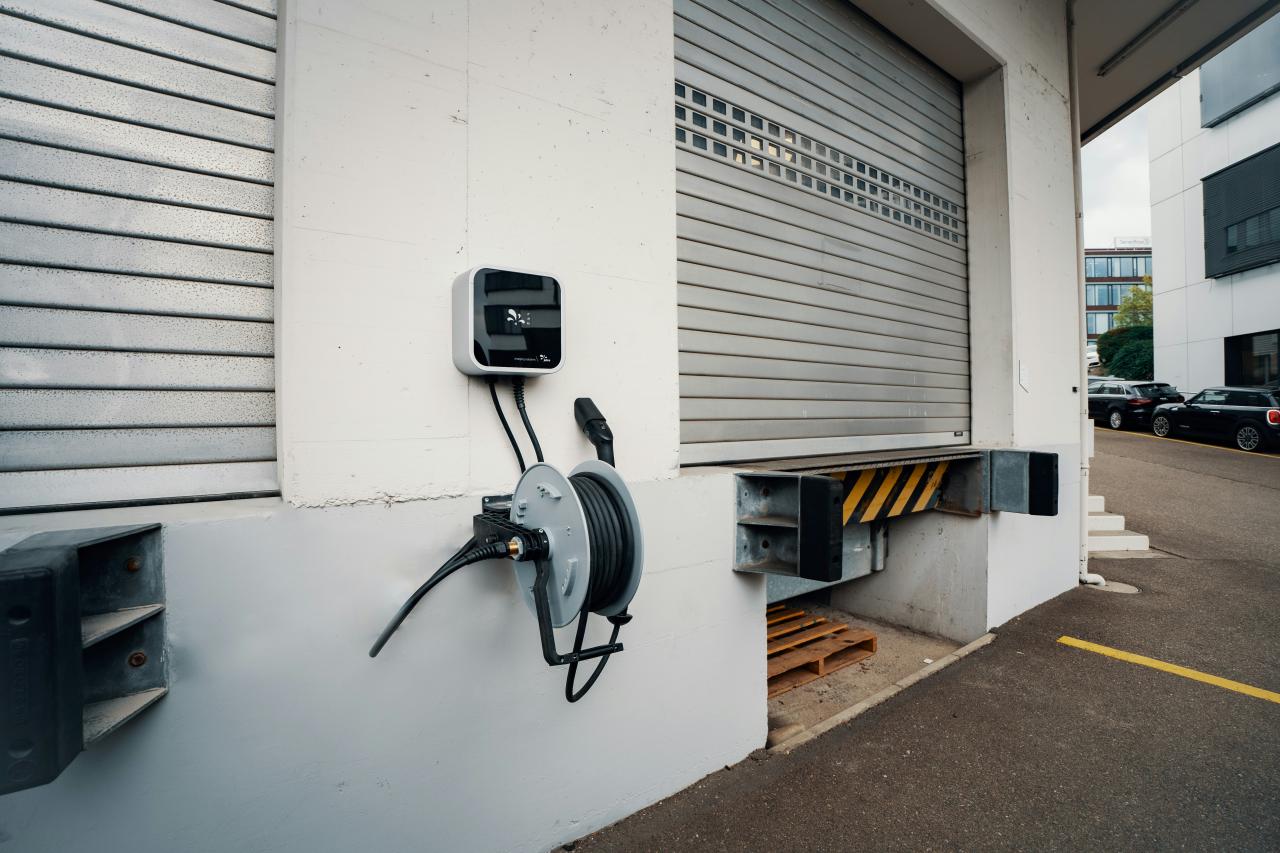
Residential battery storage is a powerful tool for modern energy management. These systems provide significant independence from aging power grids. Homeowners can drastically reduce monthly utility bills through smart dispatching. Modern battery technologies ensure safety and extreme long-term durability. Selecting the right capacity ensures your specific home requirements are met.
Financial incentives continue to make these installations highly attractive investments today. Proper configuration is essential for maximizing your total system return. Reliable backup power offers unparalleled peace of mind during emergencies. Transitioning to self-sustained energy is a definitive step for homeowners. Investing now secures your home against future volatile energy markets.

